
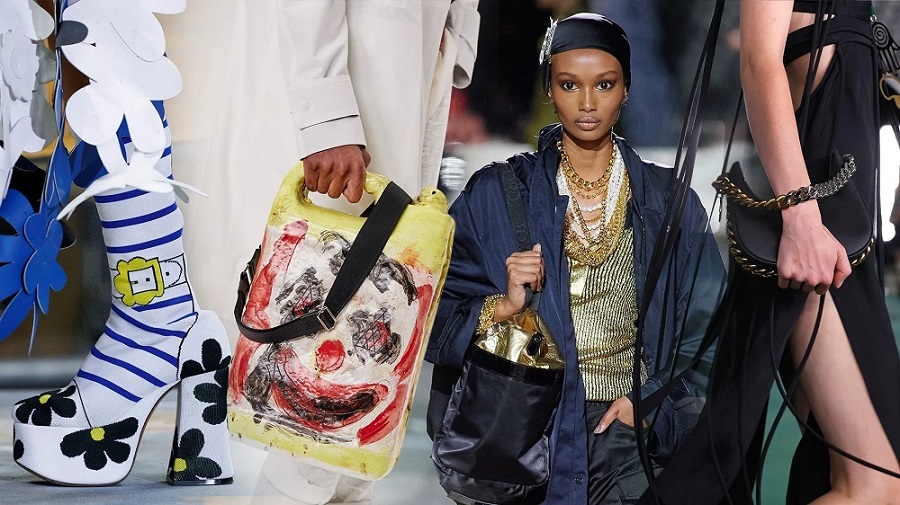
Clothing forms the canvas of an outfit, but accessories deliver the narrative. While a well-tailored suit or a classic dress establishes a baseline of style, the subtle addition of a leather belt, a silk scarf, or a structural timepiece defines the entire aesthetic. Accessories possess a unique, transformative power. They bridge the gap between ordinary dressing and personal branding, allowing individuals to signal their taste, status, and creativity without uttering a single word.
Understanding how to leverage these smaller elements is the true secret to mastering personal style. It shifts the focus away from an endless cycle of buying new clothes and places it on the strategic curation of pieces that maximize the utility of an existing wardrobe.
The Psychology of Accessorizing
Fashion is deeply psychological. What we wear alters how others perceive us and, more importantly, how we perceive ourselves. This phenomenon, known as enclothed cognition, demonstrates that clothing items trigger specific psychological processes. Accessories act as the exclamation points of this visual language.
Signaling Confidence and Authority
A minimalist, high-quality watch or a structured leather briefcase signals competence and attention to detail. In professional environments, these subtle cues suggest organization and reliability. When you choose a sharp, intentional accessory, you signal to the room that you care about nuances. This attention to detail is frequently translated into professional competence.
Expressing Individuality Within Constraints
Many environments enforce strict dress codes, whether corporate uniforms or formal attire requirements. In these structured environments, accessories serve as the primary vehicle for self-expression. A vibrant pocket square, a unique pair of cufflinks, or a sculptural ring allows personality to break through rigid boundaries without violating the expected decorum.
Transforming a Wardrobe with Minimalist Effort
One of the most practical benefits of well-chosen accessories is their ability to multiply the versatility of a wardrobe. Financial sustainability and clutter reduction are major benefits of this approach. Instead of purchasing distinct outfits for every occasion, a strategic accumulator uses accessories to alter the identity of foundational garments.
The Day-to-Night Shift
Consider the classic combination of a plain black dress or a simple white button-down shirt paired with dark denim. During the day, paired with a canvas tote bag and minimalist stud earrings, the outfit is casual, approachable, and functional for errands or casual meetings.
To transition the exact same clothing into an evening look, the modifications require very little physical effort:
-
Swap the canvas tote for a structured leather clutch.
-
Replace the simple studs with bold, geometric drop earrings.
-
Introduce a sleek metallic or patent leather belt to define the waistline.
Through these three adjustments, the outfit undergoes a complete tonal shift. The clothing remains identical, but the visual narrative changes entirely.
Seasonal Adaptation
Accessories also dictate the seasonal relevance of transitional clothing. A lightweight trench coat serves as a perfect example. In the crisp autumn months, layering it with a chunky knit wool scarf and deep burgundy leather boots grounds the look in warmth and texture. In the spring, the same trench coat paired with a silk neckerchief and lightweight loafers mirrors the brightness and ease of the season.
The Core Categories of Impactful Accessories
To build an effective accessory collection, one must understand the distinct roles different items play. Accessories can be broadly categorized by their functional and visual impact.
Footwear: The Foundation of Proportions
Footwear anchors an outfit both literally and stylistically. It dictates the posture, the stride, and the overall formality of the look. Changing footwear can instantly alter the silhouette of trousers or dresses. For instance, pairing wide-leg trousers with sneakers creates a relaxed, streetwear-inspired drape. Pairing those same trousers with pointed-toe boots elongates the leg line and shifts the vibe toward sharp sophistication.
Eyewear: The Immediate Focal Point
Because eyewear sits directly on the face, it is the first accessory others notice during an interaction. The right frames frame the eyes, balance facial proportions, and communicate an immediate stylistic identity. Heavy tortoise-shell frames can project an intellectual, vintage aura, while rimless geometric sunglasses convey modern, avant-garde sensibilities.
Jewelry: The Sculptural Accents
Jewelry introduces texture, light reflection, and color to the skin and fabric. It acts as a focal point to draw the eye to specific areas:
-
Necklaces: Draw attention upward toward the face and can elongate the neck depending on the chain length.
-
Rings and Bracelets: Accentuate hand gestures, adding expressiveness to communication.
-
Earrings: Balance facial structures and add a touch of brightness close to the eyes.
Guidelines for Masterful Accessorizing
While accessories offer immense power, misjudging their application can lead to visual clutter. Achieving balance requires an understanding of proportion, color theory, and restraint.
The Rule of Three
A reliable framework for avoiding over-accessorizing is the rule of three. Aim to wear no more than three visible accessories at a time within a single look. For example, a watch, a belt, and a pair of sunglasses constitute a complete, balanced trio. Adding a heavy necklace, multiple rings, and a hat on top of these items risks creating a chaotic visual landscape where the individual items compete for attention rather than cooperating.
Balancing Scale and Visual Weight
The scale of your accessories should complement your physical frame and the fabric weight of your clothing. Heavy, chunky knitwear pairs beautifully with substantive, thick leather bags and chunky jewelry. Conversely, delicate silk dresses or lightweight linen shirts demand finer, more delicate chains and minimalist leather goods so the accessories do not overwhelm the fabric.
Managing Metals
Mixing metals, such as silver and gold, was once considered a fashion faux pas. Modern styling welcomes the practice, provided it looks intentional. To mix metals successfully, ensure the pieces share a similar finish, such as high-shine polish or brushed matte. Wearing a singular piece that inherently combines both metals can also act as a cohesive bridge for the rest of your jewelry.
Conclusion: Investing in the Details
True style is not defined by the sheer volume of clothes in a closet. It is defined by the intelligence with which an individual puts pieces together. Well-chosen fashion accessories are the ultimate tools of curation. They offer longevity, adaptability, and an unparalleled avenue for personal storytelling. By investing in high-quality, deliberate accents, you unlock the ability to reinvent your look daily, projecting confidence and intent through the subtle art of detail.
Frequently Asked Questions
How do I choose the right belt width for different types of trousers?
The width of a belt should be determined by the belt loops and the formality of the trousers. Fine dress pants and formal trousers typically require a narrower belt, usually between 1 and 1.25 inches, which looks sleek and unobtrusive. Casual trousers, denim, and chinos pair better with wider belts, ranging from 1.5 to 1.75 inches, as these match the heavier weight and rugged texture of casual fabrics.
What is the best way to clean and store silk scarves to maintain their sheen?
Silk is a delicate natural fiber that should ideally be dry cleaned or gently hand-washed in cold water using a pH-neutral liquid detergent. Avoid wringing or twisting the fabric. To dry, lay the scarf flat on a clean towel and roll it up to absorb excess moisture, then air dry away from direct sunlight. Store silk scarves by folding them loosely or hanging them over a padded hanger to prevent permanent creasing and fabric stress.
How can I use accessories to look taller without wearing high heels?
To create the illusion of height without heels, focus on accessories that encourage a continuous, vertical visual line. Opt for long, delicate pendant necklaces that draw the eye downward in a V-shape. Matching the color of your footwear to your trousers or hosiery creates an uninterrupted line that elongates the legs. Additionally, choosing pointed-toe flats instead of rounded or square-toe options naturally extends the visual length of the foot and leg.
Should my watch strap always match the color of my leather shoes and belt?
In formal or conservative business settings, matching the leather of your watch strap to your shoes and belt creates a highly polished and cohesive appearance. However, in smart-casual and everyday wear, strict matching is unnecessary. Instead, focus on coordinating the tones; for example, pair warm brown shoes with a tan or oxblood watch strap, or keep the metals consistent by matching the watch bezel to your belt buckle.
How do I choose a handbag shape that flatters my natural body proportions?
The shape of a handbag should contrast with your body type to create visual balance. If you have a tall, slender frame, rounder or slouchier bags like hobo bags or oversized totes add complementary softness. If you have a shorter or rounder frame, structured, angular bags with clean lines help ground your silhouette. Furthermore, remember that the bag will draw attention to the area of the body where it rests, so choose strap lengths accordingly.
Can accessories be used to make an oversized outfit look intentional rather than ill-fitting?
Yes, accessories are vital for grounding oversized silhouettes. Adding a structured, rigid belt around the waist of an oversized blazer or dress creates definition and restores balance to your proportions. Pairing baggy clothing with sleek, structured accessories, such as a sharp leather crossbody bag, pointed footwear, or tailored eyewear, creates a deliberate contrast that signals the volume of the clothing is an intentional stylistic choice rather than a sizing mistake.
