
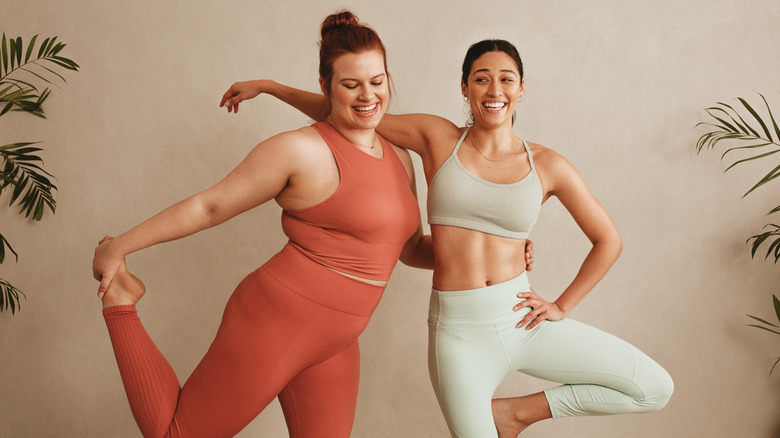
Modern daily schedules rarely involve sitting still. A typical day might require rushing through an airport terminal, commuting via bicycle, managing hands-on projects at work, and running errands before heading to a casual social gathering. When your lifestyle demands constant movement, standard garments often fail. Seams split, fabrics pill, and colors fade after only a few wash cycles.
Building a wardrobe that survives an active routine requires moving away from fast fashion trends and focusing entirely on material science, construction quality, and functional design. Selecting garments engineered for longevity allows you to navigate a demanding day with absolute confidence, knowing your clothing looks as sharp at dinner as it did during your morning commute.
The Science of Fabric Longevity
The foundation of any durable garment is the fiber from which it is woven. To withstand constant friction, stretching, and washing, you must understand how different fabrics perform under physical stress.
The Power of High-Performance Synthetics
While natural fibers have many benefits, high-quality synthetic fibers are specifically engineered to endure extreme wear and tear.
-
Nylon: Known for its exceptional tensile strength, nylon is highly resistant to abrasion. It does not tear easily, making it an excellent component in pants and outerwear designed for active movement.
-
Polyester: This fiber is incredibly resilient, retaining its shape over years of use. It resists wrinkling, shrinking, and stretching, making it ideal for daily wear items that require frequent laundering.
-
Elastane or Spandex: Essential for active routines, even a small percentage of elastane (typically two to eight percent) provides the necessary stretch for ease of movement while ensuring the garment snaps back to its original shape without bagging out at the knees or elbows.
Durable Natural Fibers and Technical Blends
If you prefer the breathability and feel of natural fibers, certain options offer remarkable durability when chosen correctly. Merino wool is a standout performer; its natural elasticity, temperature regulation, and odor resistance make it perfect for multi-activity days. Long-staple cotton, such as Pima or Egyptian cotton, features longer fibers that create a stronger, smoother yarn less prone to pilling and thinning than standard cotton.
The ultimate solution for active daily wear often lies in technical blends. A shirt made from a blend of cotton, polyester, and a hint of spandex offers the soft touch of natural fiber combined with the quick-drying, wrinkle-resistant, and durable properties of synthetics.
Inspecting Construction: How to Spot Quality
A durable fabric is only as good as the technique used to hold it together. Before purchasing a garment, taking a few moments to inspect the interior construction can save you from premature fabric failure.
Seams and Stitch Count
Turn the garment inside out to examine the seams. High-quality clothing features a high stitch count, meaning there are more stitches per inch. Fewer stitches per inch create loose, weak seams that easily pull apart under tension. Look for flatlock seams or felled seams. Flatlock stitching lays completely flat against the skin, eliminating chafing during movement and offering immense strength. Felled seams, commonly found on premium denim and workwear, enclose the raw edges of the fabric completely, preventing fraying.
Reinforcement at Stress Points
Active routines place immense stress on specific areas of a garment, particularly the pockets, crotch, and underarms. Look for bar-tack stitching, which appears as small, tight rectangles of heavy thread at the corners of pockets and the base of zippers. On heavy-duty trousers, metal rivets provide excellent reinforcement. If a garment lacks these reinforcements at key stress points, it is highly susceptible to tearing during sudden movements or heavy use.
Functional Features for Movement and Comfort
Durable clothing for an active lifestyle must do more than just resist tearing; it must also actively accommodate your body’s range of motion without causing discomfort.
Articulated Knees and Gusseted Crotches
Traditional pants are constructed with a simple four-way cross seam in the crotch, which concentrates all the stress into a single point when you squat, climb, or cycle. A gusseted crotch replaces this intersection with a diamond or rectangular strip of fabric. This design feature distributes tension evenly, drastically reducing the risk of a crotch blowout and allowing for unrestricted movement. Similarly, articulated knees feature subtle pleats or panels that mirror the natural bend of the leg, preventing the fabric from pulling tight across the thighs.
Moisture and Odor Management
An active daily routine often generates body heat. Clothing that traps moisture leaves you feeling damp and uncomfortable, which can lead to skin irritation. Look for garments featuring moisture-wicking technology, which pulls sweat away from the body to the outer surface of the fabric where it can evaporate quickly. Furthermore, fabrics treated with antimicrobial finishes or naturally odor-resistant fibers like merino wool allow you to stay fresh throughout a long day, reducing the need for harsh, frequent washing that degrades fabrics prematurely.
Smart Wardrobe Pieces for Active Routines
To build a cohesive, resilient wardrobe, focus on a few key structural pieces that offer maximum utility across different environments.
The Technical Blazer or Utility Jacket
A technical jacket replaces rigid, delicate traditional materials with stretch-woven nylons or water-resistant polyesters. These jackets offer the clean silhouette of professional wear but include hidden ventilation, zipper security pockets, and mechanical stretch, allowing you to commute via bicycle or carry heavy bags without restricting your shoulders.
Commuter Trousers
Commuter pants have revolutionized active daily style. Typically crafted from a mid-weight technical twill or canvas blend, these pants look identical to classic chinos or tailored trousers on the outside. However, their composition includes high-performance stretch and stain-resistant coatings, ensuring they resist dirt, liquids, and wrinkles throughout a hectic day.
Maintenance for Longevity
Even the most durable garment can be ruined by improper care. To extend the lifespan of your active wardrobe, modify your laundry habits to protect the fibers.
-
Wash in Cold Water: High temperatures break down synthetic elastic fibers and cause natural fibers to shrink. Stick to cold water cycles to preserve fabric integrity.
-
Avoid Fabric Softeners: Fabric softeners leave a wicking-inhibiting coating on fabrics. This coating clogs the microscopic pores of technical garments, destroying their breathability and moisture-wicking capabilities.
-
Air Dry Whenever Possible: The high, tumbling heat of a mechanical dryer causes friction that leads to pilling and accelerates the degradation of spandex. Hanging clothes to dry preserves their fit and elasticity for a significantly longer period.
Conclusion: Investing in Resilience
Choosing durable clothing is an investment in both your daily comfort and financial efficiency. When your apparel is engineered to withstand the physical demands of an active routine, you spend less time worrying about stains, wrinkles, or tears, and less money replacing worn-out items. By prioritizing strong fiber blends, superior seam construction, and functional design details like gussets and articulation, you create a high-performance wardrobe that supports your dynamic lifestyle without ever compromising on style.
Frequently Asked Questions
What exactly is fabric pilling and how can I prevent it on activewear?
Fabric pilling occurs when short, loose fibers on the surface of a textile rub together during movement, tangling into small, unsightly balls. To minimize pilling, wash your garments inside out to protect the outer face of the fabric from rubbing against other clothes. Additionally, avoid washing soft knits in the same cycle as heavy items with exposed metal zippers or velcro, which can snag and pull fibers loose.
How can I tell if a garment has a durable water repellent coating before buying it?
When shopping in a physical store, you can test the fabric by lightly flicking a single drop of water onto the surface. If the water beads up into a tight ball and rolls off instantly, the garment features a durable water repellent coating. If the water flattens out and immediately darkens the fabric, the material is absorbent and lacks protective surface treatments.
Why do my technical stretch pants get baggy at the knees after a few hours of wear?
This issue is known as fabric recovery failure. It happens when a garment contains low-quality elastic fibers or lacks structural blending. When you bend your knees, the fabric stretches, but inferior spandex blends lose their memory and fail to pull back into shape. To avoid this, look for premium brand-name elastane components or mechanical stretch fabrics woven in a way that naturally bounces back without relying solely on elastic threads.
Is heavy denim always more durable than lightweight technical fabrics?
Not necessarily. While heavyweight denim offers excellent resistance to coarse abrasions, it lacks elasticity and breathability. Under the dynamic stresses of an active daily routine, rigid denim can restrict movement and place immense pressure on seams, leading to sudden tears. Lightweight technical fabrics woven with high-tenacity nylon or polyester can actually outperform thick denim in tensile strength and longevity while offering superior comfort.
How do I remove stubborn sweat odors from synthetic clothing without ruining the fabric?
Synthetic fibers are oleophilic, meaning they naturally attract and hold onto oils from your skin, which trap odor-causing bacteria. Standard detergents often fail to break these bonds. To eliminate persistent odors without using fabric-degrading heat, soak the affected garments in a mixture of one part white vinegar to four parts cold water for thirty minutes before running them through a normal cold wash cycle.
What is mechanical stretch and how does it differ from regular elastic stretch?
Regular stretch relies on chemical elastics like spandex woven into the fabric. Mechanical stretch, however, achieves elasticity entirely through the geometric construction of the weave itself. Helical or coiled yarns are knitted or woven in a way that allows the fabric to expand and contract naturally. Mechanical stretch is highly desirable for active routines because it never degrades, thins out, or loses its recovery memory over time, regardless of how many times it is washed.
