
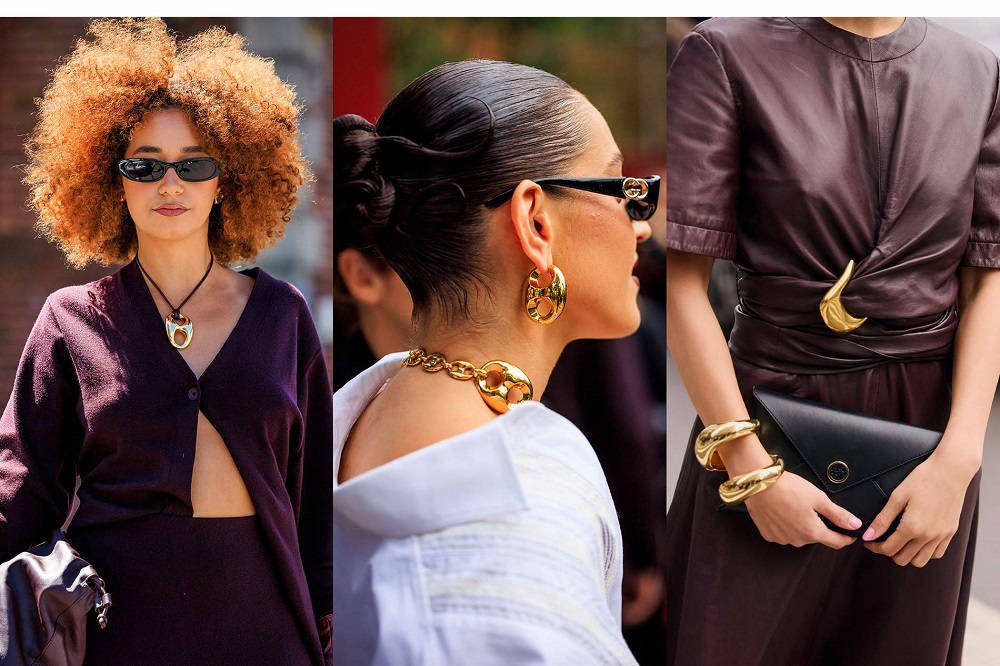
The landscape of modern jewelry design is undergoing a profound paradigm shift. For nearly a decade, the market was dominated by the delicate, barely-there aesthetic of minimalist layering chains, tiny stud earrings, and micro-thin stacking rings. While this dainty trend offered easy daily wearability, it eventually led to visual fatigue. As wardrobes transitioned into more expressive, fluid silhouettes, delicate jewelry began to lose its voice against heavy textiles and oversized tailoring.
Enter sculptural jewelry. This resurgent movement trades uniform, mass-produced daintiness for bold shapes, organic textures, and three-dimensional forms that feel as though they belong in a contemporary art museum. No longer treated as a minor afterthought to an outfit, modern jewelry has reclaimed its status as wearable art, fundamentally changing how designers construct collections and how individuals express their personal style.
Defining the Sculptural Jewelry Aesthetic
Sculural jewelry cannot be neatly filed under traditional gem-setting or classic filigree. Instead, it is an approach to design that treats precious metals, stones, and alternative mediums as malleable clay, emphasizing form, volume, and line over flat sparkle.
Organic Versus Architectural Forms
The current revival of sculptural jewelry split into two main artistic directions, each appealing to a distinct aesthetic sensibility:
-
Organic Abstraction: These pieces draw inspiration from the natural world but avoid literal representations. Instead of casting a perfect metal leaf, an organic sculptor mimics the fluid ripple of water, the rough texture of molten volcanic rock, or the asymmetrical contours of a weathered seashell. The beauty lies in the deliberate imperfections, ripples, and liquid-like surfaces.
-
Architectural Brutalism: This direction leans heavily into structural geometry, sharp angles, and industrial lines. Inspired by modern architecture, these pieces use negative space, cantilevered shapes, and heavy, solid blocks of metal to create a sense of imposing, deliberate weight around the wrists, ears, or neck.
Regardless of the specific direction, both styles share a common thread: they occupy space three-dimensionally, catching the light from every conceivable angle as the wearer moves.
Historical Roots and the Catalyst for the Renaissance
The return of sculptural jewelry is not a historical anomaly. Rather, it is a modern reinterpretation of major twentieth-century art movements that challenged the traditional definition of luxury.
The Mid-Century Wearable Art Movement
The spiritual ancestors of today’s sculptural jewelers are the avant-garde artists of the mid-twentieth century, such as Alexander Calder, Joan Miro, and Elsa Peretti. Calder brought his signature wire mobiles to the human body, turning hammered brass and copper into kinetic earrings and breastplates. Later, Elsa Peretti revolutionized luxury design by introducing fluid, biomorphic shapes, like her famous bone cuffs and bean pendants, directly into high-end silver and gold collections.
These historical figures proved that the value of jewelry did not have to reside solely in the carat weight of a diamond or the rarity of a ruby. Instead, the artistic integrity, the innovation of the form, and the human craftsmanship could serve as the ultimate luxury markers.
The Modern Catalyst: A Desire for Tactility
The modern explosion of sculptural jewelry is largely a cultural reaction against the hyper-digital, screen-centric reality of daily life. In an era dominated by smooth glass screens and virtual spaces, consumers have developed a deep subconscious craving for physical texture and tactile reassurance. A heavy, hand-hammered silver ring or a liquid-gold collar provides a grounding sensory experience that lightweight, machine-made jewelry simply cannot replicate.
Key Silhouettes Dominating Contemporary Collections
Modern designers are utilizing sculptural philosophies to reinvent classic jewelry categories, transforming traditional accents into powerful focal points.
The Statement Ear Cuff and Curvaceous Drop
Earrings have moved far beyond the lobe. Sculptural ear cuffs sweep along the entire cartilage curve, mimicking architectural ribbons or molten metal droplets cascading down the ear. Drop earrings have shed their traditional linear format, adopting abstract, hollowed-out shapes that look different depending on whether the wearer is viewed from the front or in profile. Designers use clever engineering to make these large silhouettes hollow on the inside, ensuring they remain lightweight and comfortable for all-day wear.
The Liquid Collar and Torque Necklace
The traditional dainty chain necklace is frequently replaced by rigid or semi-rigid collars that rest flush against the collarbone. These pieces are often shaped like asymmetrical waves or continuous loops of polished metal that seamlessly open and close via hidden hinges. A liquid collar immediately elevates a simple crewneck shirt or a strapless gown, framing the face with an uninterrupted, reflective halo of gold or silver.
The Ergonomic Cocktail Ring
The modern cocktail ring has evolved past the traditional format of a central gemstone held up by delicate metal prongs. Contemporary sculptural rings wrap around the finger like liquid chrome, sometimes spanning across multiple knuckles or snaking around the hand in organic, ergonomic waves. The metal itself becomes the gemstone, sculpted into high-shine peaks and satin-matte valleys that demand attention with every gesture.
How to Style Sculptural Jewelry with Intention
Because sculptural jewelry possesses significant visual weight, styling it requires a baseline understanding of balance and restraint. The goal is to let the jewelry communicate without overwhelming the canvas of your clothing.
Embrace the Canvas of Minimalism
Sculptural jewelry performs exceptionally well when paired with clean, minimalist garments. A voluminous monochrome outfit, such as a black silk midi dress, a white oversized poplin button-down, or a sharp gray wool blazer, provides the perfect understated backdrop. The absence of busy patterns or excessive ruffles allows the unique lines of an organic cuff or an architectural earring to stand out clearly.
The Power of Singular Placement
When wearing bold, sculptural pieces, avoid the temptation to pile them on all at once. If you choose to wear an oversized, molten-textured torque necklace, skip the statement earrings entirely and opt for bare ears or simple studs. If you are showcasing a massive, geometric cuff, leave your neck bare. Selecting one or two zones of focus prevents your look from becoming chaotic, ensuring each piece of wearable art receives the appreciation it deserves.
Conclusion: The Longevity of Wearable Art
The return of sculptural jewelry represents far more than a passing seasonal trend; it is a celebration of artistry, individuality, and material honesty. By shifting the focus away from uniform perfection and toward expressive, three-dimensional forms, this movement reclaims jewelry as a true extension of fine art. Whether you lean toward the fluid lines of organic abstraction or the sharp discipline of architectural geometry, incorporating sculptural pieces into your collection ensures that your style is rooted in timeless, impactful design that transcends the shifting whims of fashion.
Frequently Asked Questions
What materials are modern designers using to make large sculptural jewelry comfortable to wear?
To prevent large, voluminous jewelry from causing physical discomfort or stretching earlobes, designers frequently use hollow-casting techniques. This process creates a bold three-dimensional exterior while leaving the inside completely empty, dramatically reducing the weight. Additionally, many contemporary artisans utilize lightweight alternative materials as bases, such as high-grade aluminum, titanium, or structural resin, which are then coated or electroplated in precious metals like gold or platinum.
How can I clean sculptural jewelry with complex, heavily textured surfaces?
Textured surfaces, such as sandblasted finishes, molten ripples, and hammered metal, can easily trap dust, skin oils, and cosmetic residue. To clean these pieces safely, submerge them in a bowl of warm water mixed with a few drops of mild, additive-free dish soap for ten minutes. Use a very soft-bristled toothbrush to gently agitate the crevices without scratching the metal. Rinse thoroughly with clean water and dry completely with a lint-free microfiber cloth.
Does sculptural jewelry hold its resale value as well as traditional gemstone jewelry?
Traditional jewelry value is heavily tied to the objective commodity price of its materials, such as the market value of gold per gram or the certified grade of a diamond. Sculptural jewelry value, however, relies more on its design pedigree, brand heritage, and artistic craftsmanship. While it may not scale purely on commodity weight, highly sought-after sculptural pieces from renowned independent designers or historic design houses frequently maintain exceptional value on the secondary vintage market due to their artistic rarity.
Can individuals with petite frames wear oversized sculptural jewelry successfully?
Yes, individuals with petite frames can wear sculptural jewelry beautifully by managing proportion and focusing on a single statement piece. Instead of wearing multiple large items that might visually overwhelm a smaller frame, select one strategic focal point, such as an architectural ring or a sleek, open ear cuff. Opt for pieces with clean, flowing lines that mirror your body natural movements, creating a harmonious look rather than a clashing one.
What is the difference between a high-shine polish and a brushed finish on sculptural pieces?
A high-shine or mirror polish creates a completely smooth, reflective surface that bounces light cleanly, giving the jewelry a modern, liquid appearance that accentuates sharp angles and smooth curves. A brushed, satin, or matte finish involves creating microscopic scratches on the metal surface, softening the reflection. This technique brings out the subtle textures, depths, and imperfections of organic designs, giving the piece an ancient, unearthed quality.
How should I store sculptural jewelry to prevent it from getting scratched or bent?
Because sculptural jewelry features unique curves and protruding angles, it should never be thrown carelessly into a crowded jewelry box where pieces can rub against one another. Store each item individually in a soft fabric pouch or a lined compartment. For highly rigid, delicate structures like hinged liquid collars or cantilevered cuffs, lay them flat inside their original boxes to prevent external pressure from warping or bending the precise shape of the metal.
